
Mental Health Is Racial Justice: Representation in Therapy Matters
Black History Month: Honoring the Legacy of Resistance and Care
As we recognize Black History Month, we honor the long tradition of Black resistance, healing, and community care. Mental health has often been weaponized against Black communities—and yet, Black leaders, scholars, and healers have always created pathways to wellness, justice, and collective liberation. This month is a time to celebrate that legacy, and to recommit to mental health care that is rooted in racial equity and cultural respect.
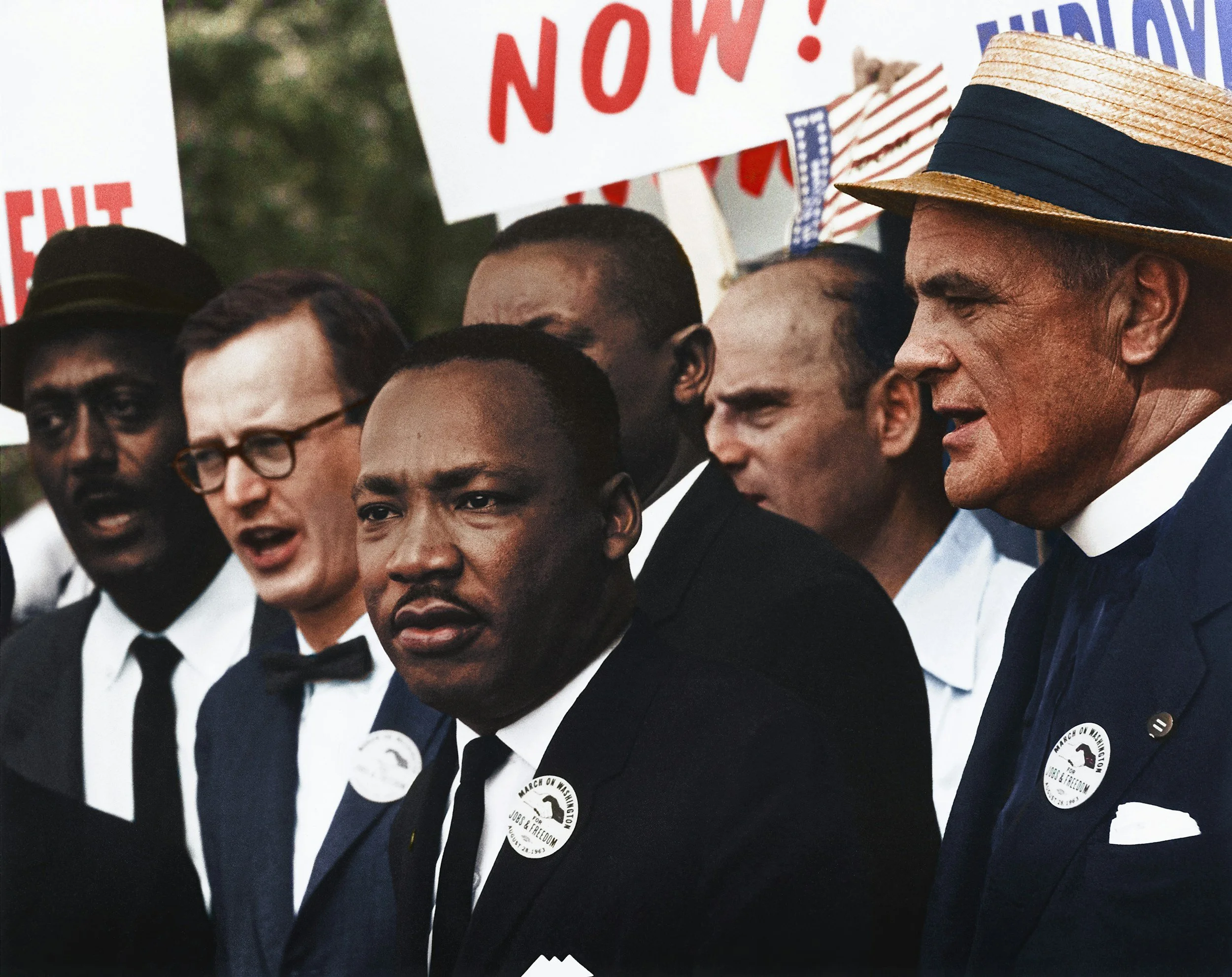
Therapy isn’t neutral. Who you sit across from—and how they understand race, culture, and power—can shape the entire experience. At Sprout Therapy PDX, we believe that mental health care is part of racial justice. It’s not just about getting access to services. It’s about being seen, heard, and affirmed in your full identity.
Why Representation Matters in the Therapy Room
For many BIPOC clients, therapy has historically been a space of:
Cultural disconnect
Misdiagnosis or pathologizing behavior
Minimization of racial trauma
Pressure to conform to white norms of expression and healing
Representation isn’t just about demographics—it’s about shared context, cultural fluency, and an ability to hold your experiences without making you explain every piece.
Healing Isn’t Colorblind
Racial identity impacts:
How trauma is experienced
How safety is defined
What healing looks and feels like
Therapists who ignore race risk re-traumatizing clients, even with good intentions. Therapists who are race-conscious, anti-racist, and culturally responsive create spaces where clients don’t have to choose between their mental health and their racial identity.
What Race-Conscious Therapy Can Look Like At Sprout, we are actively building a team that reflects our community—and challenging ourselves to decolonize our therapeutic practices. That means:
Acknowledging systemic harm and generational trauma
Understanding cultural strengths, not just Western clinical models
Making room for anger, grief, joy, resistance, and nuance
Working to reduce barriers to access for Medicaid and uninsured clients
This Is Especially Important in Oregon
In a state with a history of exclusion laws and ongoing racial disparities, many BIPOC Oregonians face:
Underrepresentation in mental health professions
Stigma around seeking therapy
Fewer providers who accept OHP
We’re committed to changing that—not just in our words, but in who we hire, how we train, and how we show up.
Final Thoughts
Mental health care that ignores race isn’t neutral—it’s harmful. At Sprout Therapy PDX, we believe that racial justice and emotional wellness go hand in hand. You deserve care that honors your identity and helps you heal without erasing any part of who you are.
Looking for a therapist who understands the role race plays in mental health? Sprout Therapy PDX offers identity-affirming, trauma-informed care for BIPOC clients across Oregon. Reach out today to get matched with a therapist who will honor your story.